Facebook was created in 2003 by Mark Zuckerberg and was known as a game called ‘facemash’. Facemash let users rate classmates against each other by deciding whose photo was “hotter”.
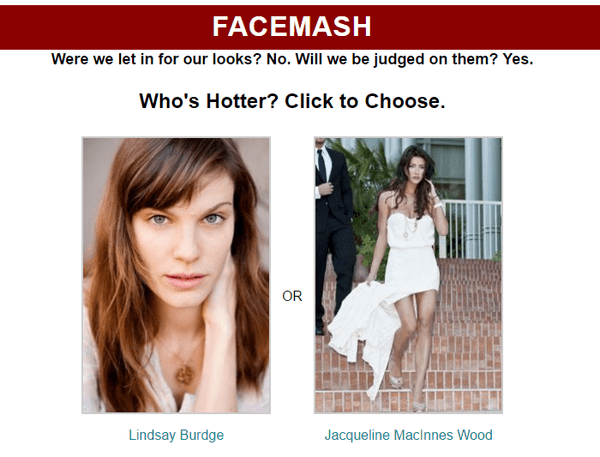
In 2004, Zuckerberg launched Facebook, at the age of just 19.
Facebook is a social networking platform where users can post comments, upload photos, chat live with friends, and watch videos. It now has more than two billion monthly users and has grown into one of the biggest internet companies in the world.
Facebook is a great way to keep in contact with friends and family, however at what point does it become dangerous? Although Facebook has many advantages – keeping in contact with friends/family, organising things in group chats, advertising businesses, seeing news stories etc. There are many dangers to it too.
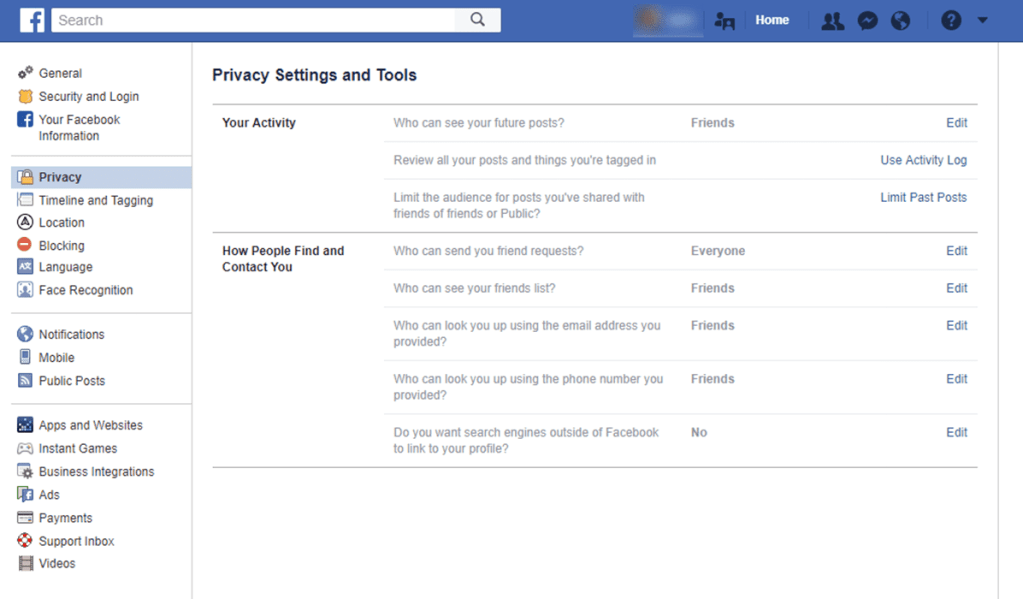
Have you ever looked at your Facebook privacy settings? If you haven’t you really should. Facebook have only recently changed their default privacy settings to just Friends, meaning that only your friends can see your Facebook posts. However, have you recently gone through your friends list? Are you still friends with that random girl you met in the club toilets one time? Or that friend of a friend you met at school? So many people are guilty nowadays of having thousands of Facebook friends of which they only really speak to 20%.
How well do you know your friends on Facebook?
Would you say hello to every single one of them if you saw them in the street? Would you ever message them for a catch up? The likely answer from most people to these questions would be no. So why do we still keep them as ‘friends’? I read somewhere that teenagers make as many friends as possible to prove their popularity, as it becomes a sort of competition between their real life friends. This is where it can become dangerous, since who are these children becoming friends with? Complete strangers who could have ulterior motives and be a threat to them.
Another danger to look out for on Facebook is hackers. The most common way of being hacked on Facebook is by phishing. This is when the hacker “fishes” for information by creating a page that is identical to Facebook’s main screen.They’ll then send you an email asking for you to log in, this will then give them access to your account since they can record your email and password if you enter it.
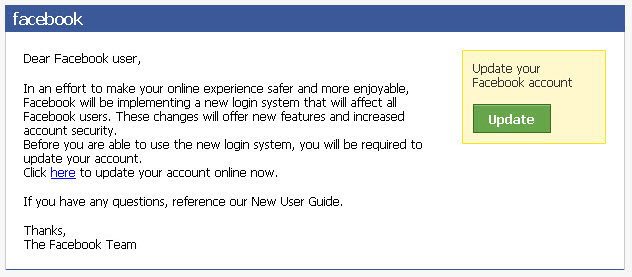
If there’s one thing you take from this blog, please check your Facebook friends list. You never really know who is behind the accounts that you accepted when you were younger. You never really know is watching.
 Rach's English Language and New Media Blog
This is such an interesting blog post Rachel! I definitely think there are constraints for Facebook. Like you said, do you really know who you are friending? For a competition I accepted friend requests from people so that I could get to know who the competition were, but this meant I was letting these people into my social network. These people do constitute ‘weak ties’; however, they had access to my pictures, information and details on Facebook. I have completed ‘a purge’ of my friend list but I know some people don’t do this because of popularity reasons. It is important to keep your privacy settings appropriate for how you want to portray yourself on Facebook. I remember the Facebook advert about the different privacy settings last year. I think Facebook are trying to make a more conscious effort to remind people to modify the pre-existing public settings but still people are exposed online. Like you said, our privacy settings can also make us vulnerable to phishing emails and hackers. I definitely think it is important to change your password every once in a while! 😊
LikeLike